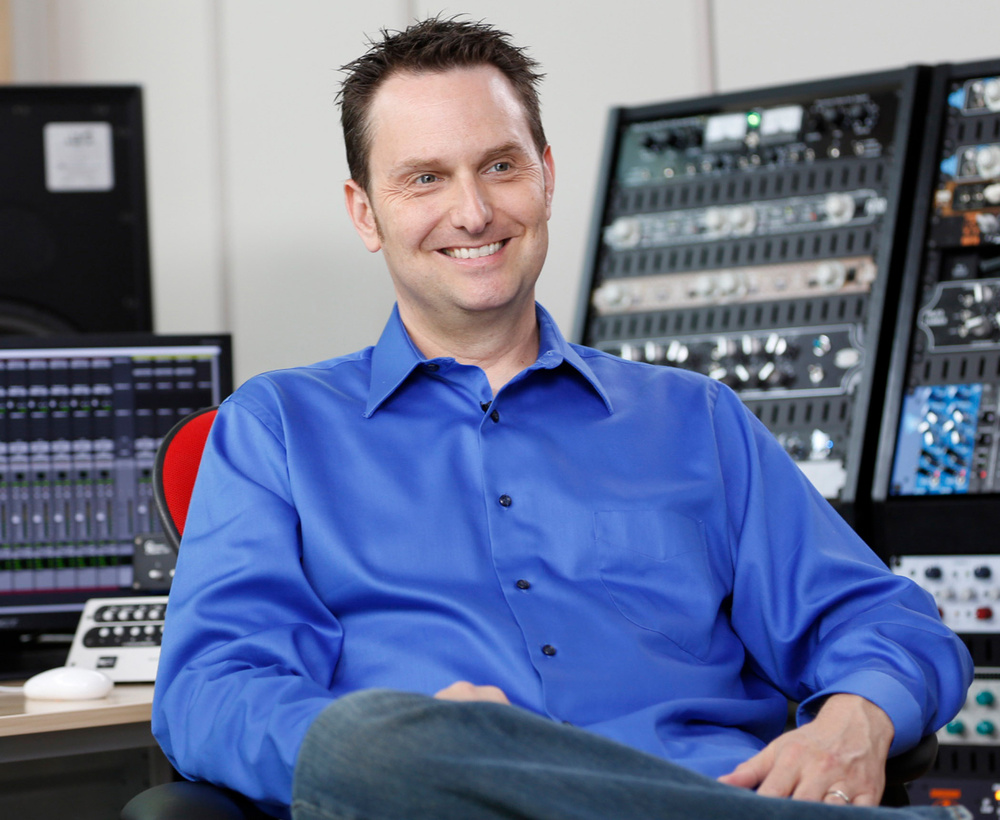
John Rodd. John Rodd.
Edgy, aggressive midrange can make for uncomfortable listening. Four top engineers explain how they get harshness under control — and how to get the best from Oeksound’s Soothe plug‐in.
Ten years ago, a Finnish start‐up launched a plug‐in designed to treat harshness in recorded audio. Word spread, and Oeksound’s Soothe has today become a core part of many pro engineers’ toolkits. Version 3, reviewed in July 2026 SOS, improves the sound still further and adds some new features that make it a creative as well as a corrective tool. I spoke to four well‐known producers, engineers and Soothe users, to understand why harshness is an issue and how it can be dealt with.
What’s The Problem?
There’s no strict definition of harshness, but it’s mainly associated with a brittle, strident or scratchy quality in the upper midrange. Some feel that it’s become more of a problem in the last 30 years or so, thanks to changes in the way records are made. "Having used 24‐track analogue tape machines a bunch in the ’80s, I would say DAWs do not soften music recordings in the same way," says John Rodd. "In addition, some people occasionally use certain condenser microphones that can be a bit harsh, and I also find that some virtual instruments can be quite harsh and need to be smoother‐sounding to fit into well‐balanced music or a hybrid score mix."
F Reid Shippen. F Reid Shippen.F Reid Shippen has a slightly different take: "People like to talk about how digital audio is harsher, but I don’t really think that’s the case. I think that certain things can be less forgiving, and people who have less experience working in digital can tend to push things into the red when you’re working in certain file formats that can cause some clipping and stuff like that. There’s a ton of creators out there making music in all kinds of environments. When you’re recording in a dry‐walled bedroom on a cheap mic, there’s going to be some inherent problems that carry along with that kind of stuff. And I’m not passing any judgment on any music; you can make killer music like that."

Cut It Out
There is universal agreement that the best way to address harshness is at source, through mic choice and placement. "When the budget and schedule allows, I go wherever in the world the orchestra, ensemble or soloists are to be recorded, and I make mic choices and lay out the musicians in ways that reduce harshness," says John Rodd. "For example, certain ribbon mics are great choices for spot mics on trumpets, trombones and cimbasso. I don’t place them right up to the instrument, but back a little way to allow the sound to develop naturally, be more balanced, and less harsh. When the schedule or budget does not allow me to record, I tend to lean more on Soothe to smooth out harshness from spot mics."
"On the recording side of things, mic choice and placement is pretty crucial," agrees F Reid Shippen. "You can change a sound entirely by moving the mic an inch. So yeah, if you’ve got problems in the recording and you’ve got the time to do it, then that’s probably the easiest way to go. If you want really smooth guitar tones, you probably don’t want an SM57 buried in the middle of the speaker cone. The wrong mic on a vocalist can mean the difference between something gorgeous sounding, something fun and aggressive and cool, and something that’s painful. And a lot of times, you can’t unscramble that omelette. I can’t tell you how many times I get a vocal that’s cut on an SM7 because someone saw a video or thought they were cool or loved that Michael Jackson used one, and that singer should absolutely never be singing into an SM7. And sometimes I get people saying, ‘Hey, that vocal sounds kind of midrange‐y and a little bit harsh. What can you do about it?’ My answer is, ‘That’s what an SM7 does sometimes.’ Yes, the recording side of things can have a huge effect."
Darrell Thorp. Darrell Thorp.
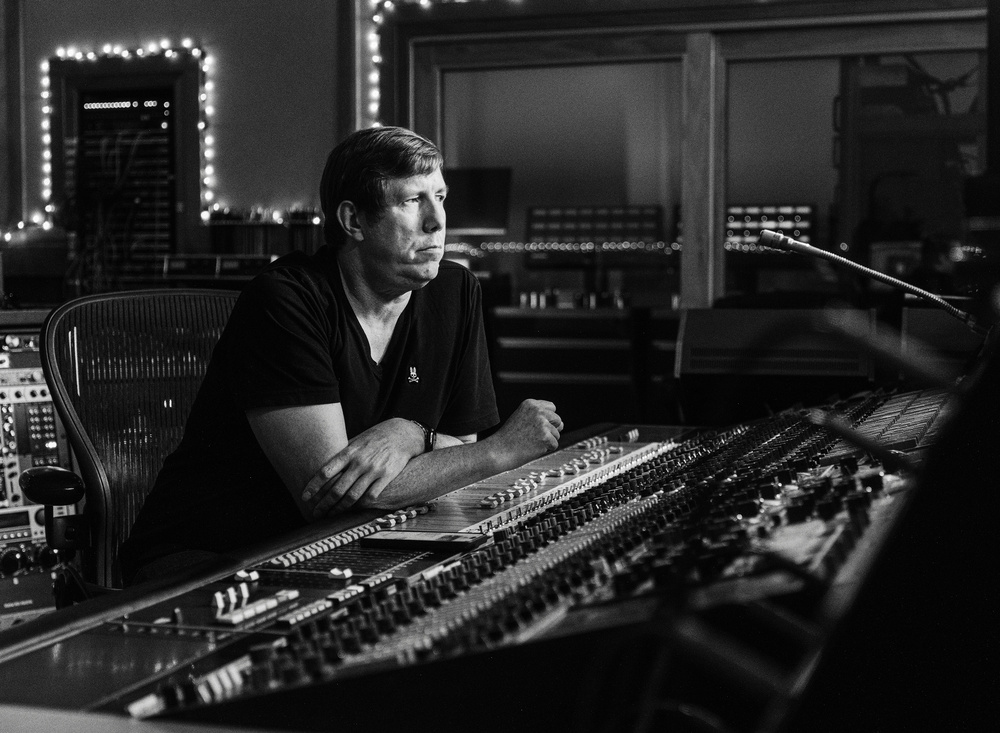
"Also," adds Darrell Thorp, "the room that the programme is being recorded in can add harshness. Or the room you are using to monitor could be adding harshness — or the opposite, removing harshness so you are not clearly hearing the source."
This is a point on which John Rodd agrees: "In terms of room mics, such as the Decca Tree mics, occasionally, mid‐sized recording studios can benefit from subtle use of Soothe to improve the sound, especially when a big brass section is blasting! Speaking of room mics: notably, when I record at some of the best‐sounding, massive recording spaces such as Abbey Road Studio One, the Newman Scoring Stage on the Fox Studio Lot, and the Barbra Streisand Scoring Stage at Sony Pictures Studios, I never need to use Soothe on the room mics."
Dealing With Harshness
Jason LaRocca. Jason LaRocca.Photo: Gary CopelandWhether or not it’s a new issue, all four of the interviewees I talked to had developed techniques for addressing harshness before Soothe existed. Jason LaRocca, for example, employed "various tape emulations, compressor models or manual EQ rides within Pro Tools", while Darrell Thorp explains that "I first learned...

You are reading one of the locked Subscribers-only articles from our latest 5 issues.
You've read 30% of this article for FREE, so to continue reading...
- ✅ Log in - if you have a Digital Subscription you bought from SoundOnSound.com
- ⬇️ Buy & Download this Single Article in PDF format 0ドル.83 GBP1ドル.49 USD
For less than the price of a coffee, buy now and immediately download to your computer, tablet or mobile. - ⬇️ ⬇️ ⬇️ Buy & Download the FULL ISSUE PDF
Our 'full SOS magazine' for smartphone/tablet/computer. More info... - 📲 Buy a DIGITAL subscription (or 📖 📲 Print + Digital sub)
Instantly unlock ALL Premium web articles!We often release online-only content.
Visit our Shop Store.